Barbers know the drop fade works best when the wave pattern guides the cut, not the reverse. Its curved blend falls lower behind the ears, creating contrast without flattening every connection. The smartest choice depends on how much side and rear coverage you want to keep. Low drops preserve fuller 360 patterns, while higher placements emphasize top waves. These ten options vary the fade height, finish, lineup, and brushing pattern. Bring a reference photo, since small changes in placement can noticeably alter the final shape.
Low Drop Fade with 360 Waves
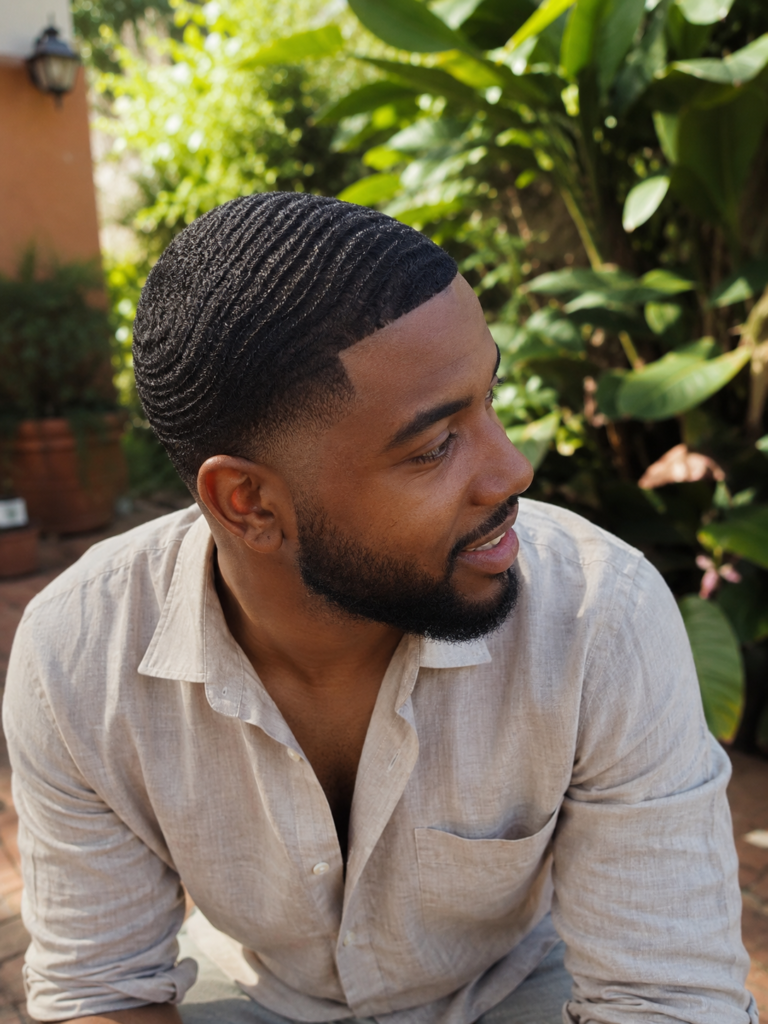
Keep the fade low when preserving the widest wave pattern matters. The blend curves behind each ear while leaving more textured coverage above. Ask your barber to follow your established brushing direction before cutting. A natural lineup keeps the finish clean without overpowering the waves. Use a light moisturizer, brush consistently, and cover the pattern overnight. This combination suits anyone wanting definition without removing too much side coverage.
Mid Drop Fade with 180 Waves
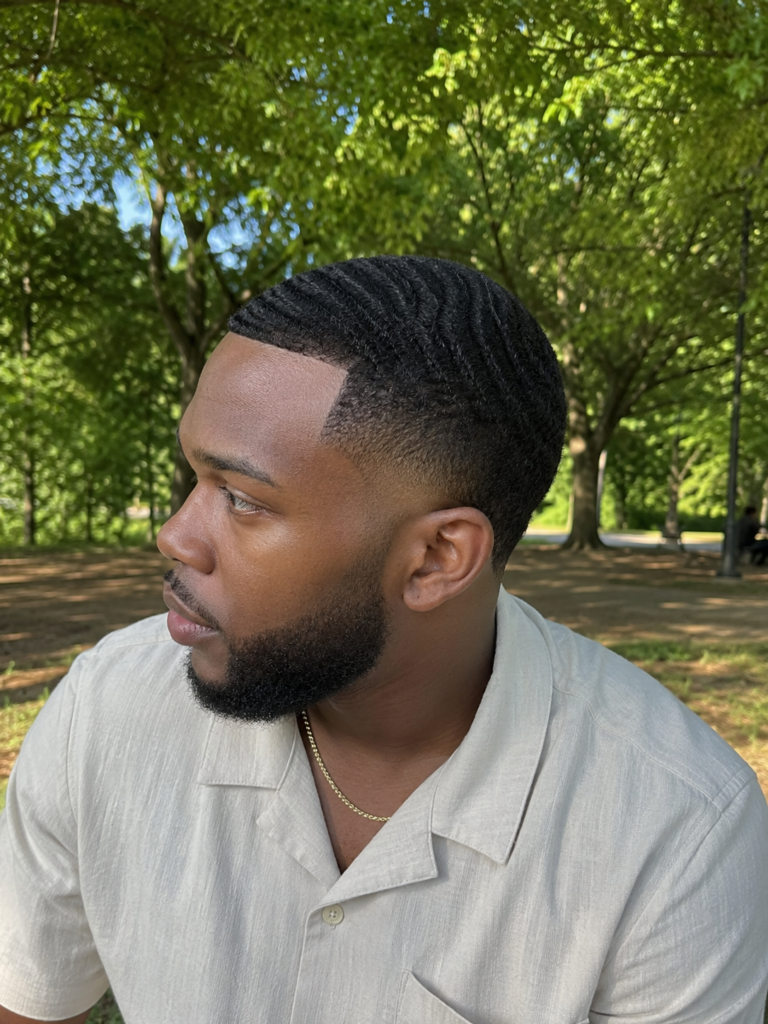
A mid drop fade creates stronger contrast around top-focused 180 waves. The fade begins near the temples, then curves lower toward the back. Keep enough length on top for the ripple pattern to remain visible. Brush forward and outward according to your chosen wave direction. A light styling cream can reduce dryness without creating heavy buildup. Choose this version when sharp sides matter more than full rear coverage.
High Drop Fade with Top Waves
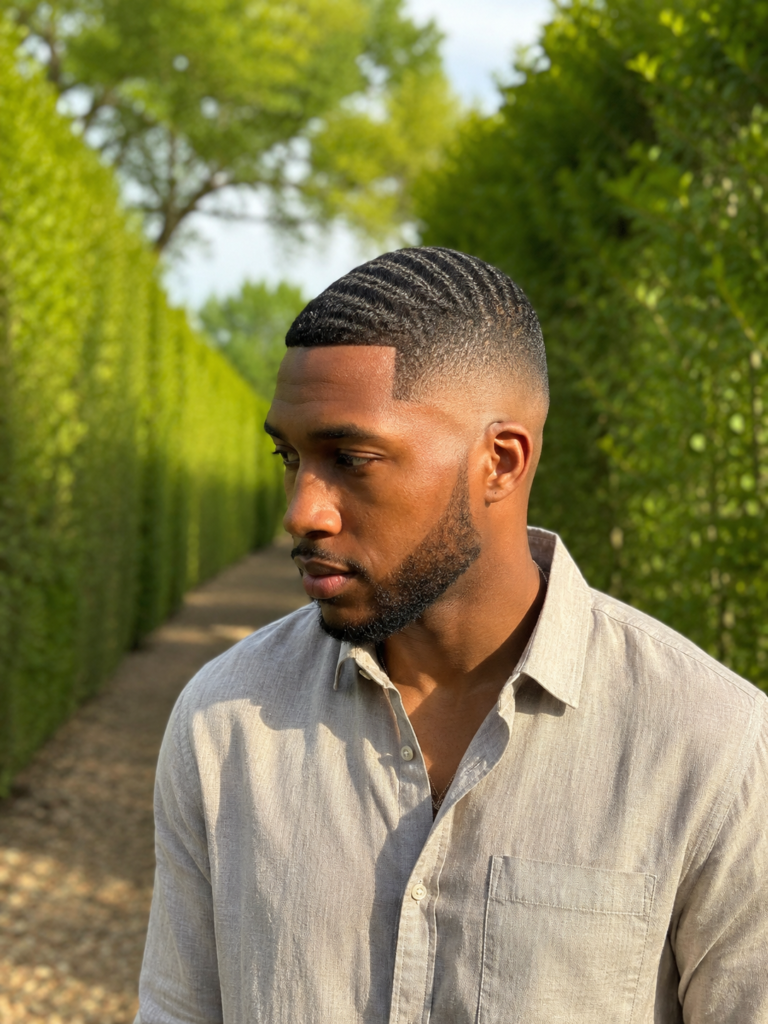
Sharper contrast comes from placing the drop fade higher around the sides. Most visible waves remain concentrated across the top because more side hair disappears. Tell your barber exactly how much wave coverage you want preserved. A clean front edge adds structure, while a natural corner avoids harshness. Keep the top moisturized and brush it in consistent sections. This bold option works best when you prefer a dramatic outline.
Skin Drop Fade with Deep Waves
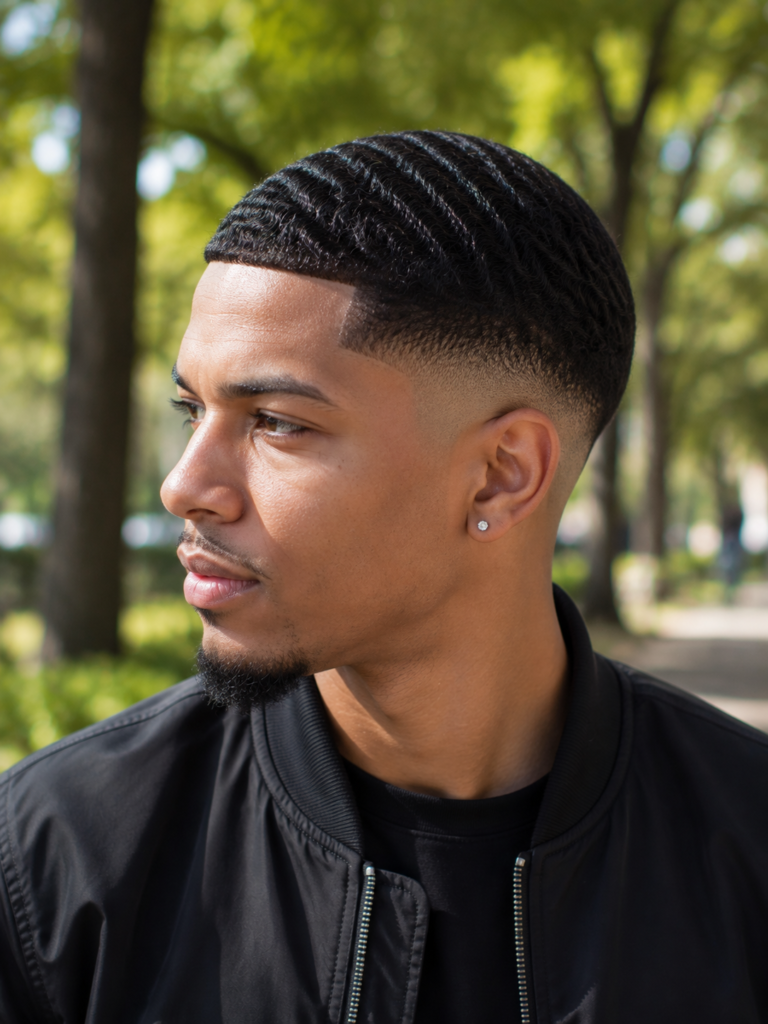
Taking the lower fade to skin creates the clearest separation. Deep waves remain visible above the blend, especially under natural light. Ask for a gradual transition rather than an abrupt pale line. Keep the top slightly fuller if your wave grooves need more definition. Use a soft or medium brush based on your current length. Regular barber visits help maintain the clean contrast around the curved fade.
Shadow Drop Fade with Waves
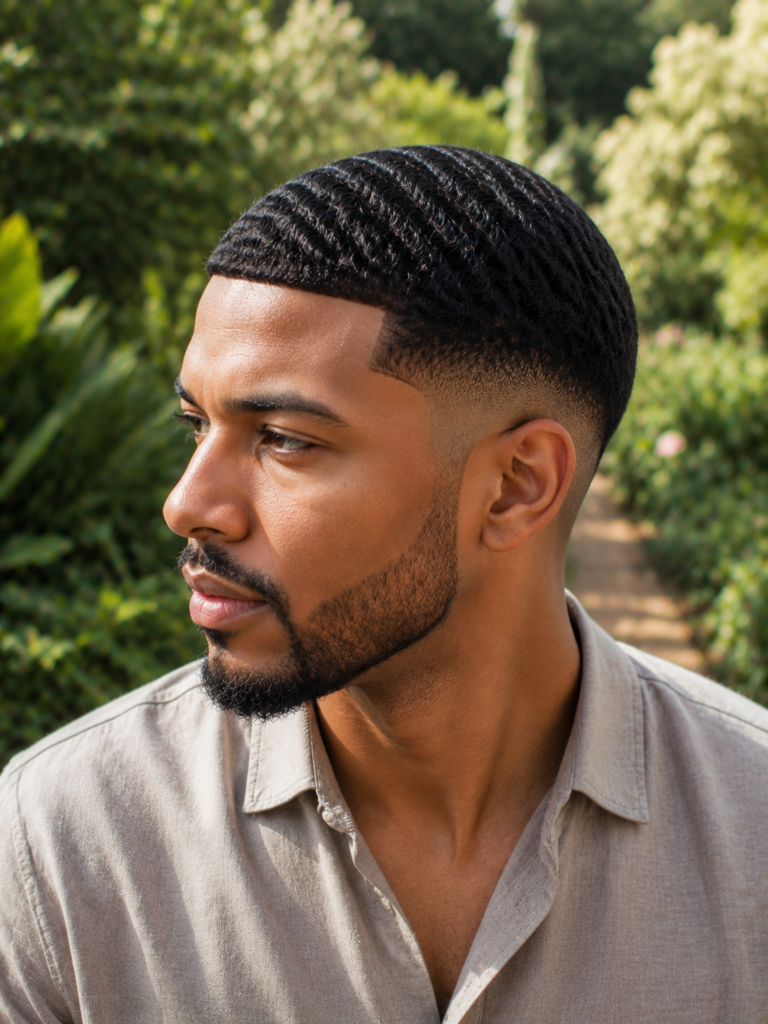
Choose a shadow fade when you want softness near the base. The barber leaves faint stubble instead of taking the blend completely bare. That subtle darkness connects smoothly with defined waves above. Request a low or mid drop depending on your preferred contrast. A natural lineup complements the softer finish especially well. This option grows out less dramatically, making it practical for longer gaps between appointments.
Drop Fade with 540 Waves
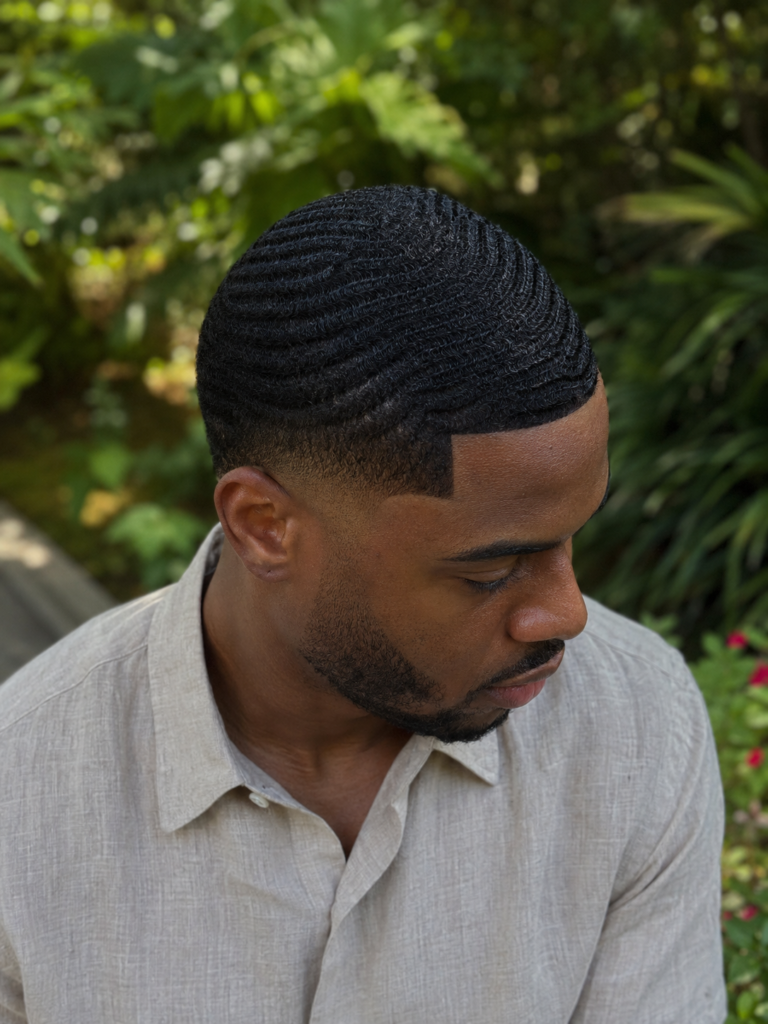
Diagonal movement gives 540 waves a distinctive spinning pattern. A low drop fade can frame that direction without removing excessive coverage. Bring a clear reference photo because brushing angles vary between patterns. Your barber should cut with the established wave flow, not against it. Apply a light moisturizer before brushing each section consistently. The result feels detailed and intentional, especially when the crown pattern stays clearly connected.
Drop Fade with 720 Waves
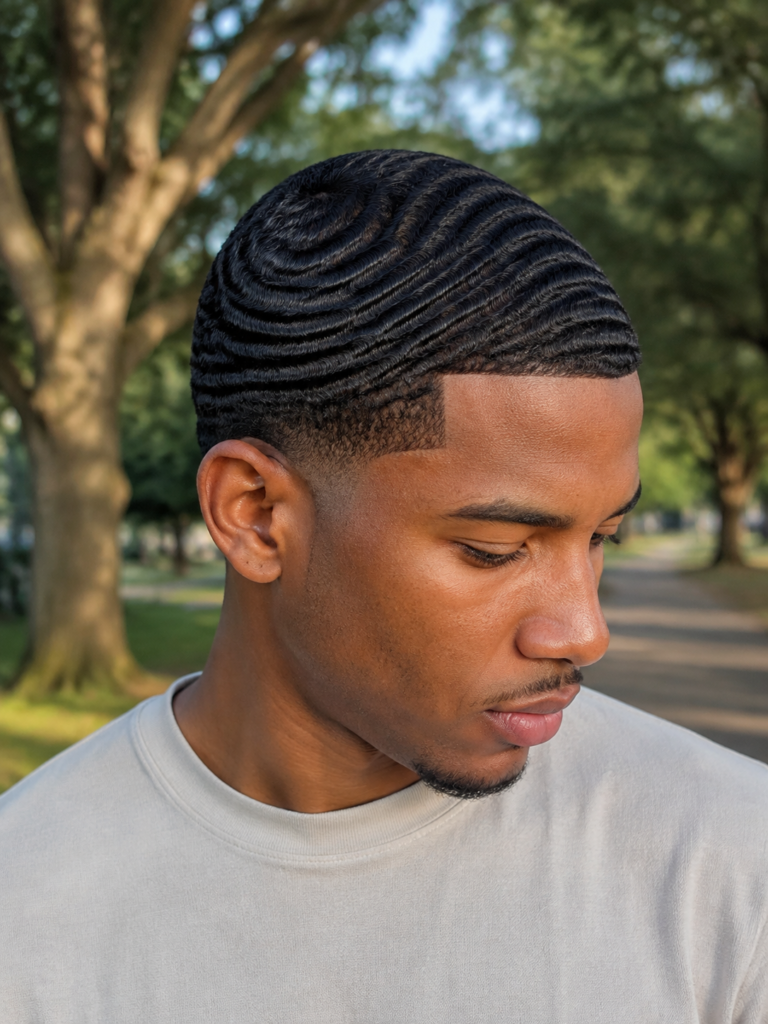
Sideways, angled ripples make 720 waves one of the more specialized patterns. Pair them with a restrained drop fade that protects important connections. Avoid placing the fade too high unless you want top-only coverage. Show your barber where the pattern begins changing direction around the crown. Consistent brushing matters more than heavy product. Choose this look when you enjoy precise maintenance and an uncommon wave layout.
Drop Fade with Beehive Waves
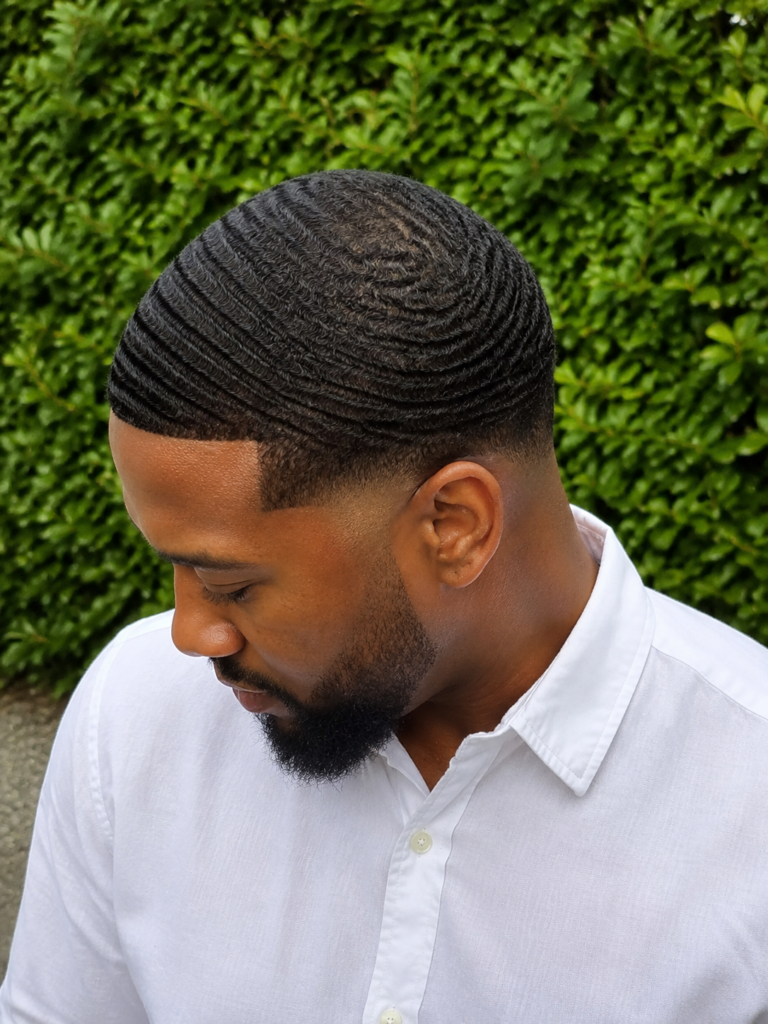
Beehive waves travel outward from the crown in a target-like formation. The drop fade should stay low enough to preserve those circular connections. Ask your barber to inspect the crown before setting the fade guideline. Keep the top at a wave-friendly length rather than cutting too close. Brush from the crown toward each section using steady angles. A simple lineup finishes the style without distracting from the pattern.
Drop Fade with Swirl Waves
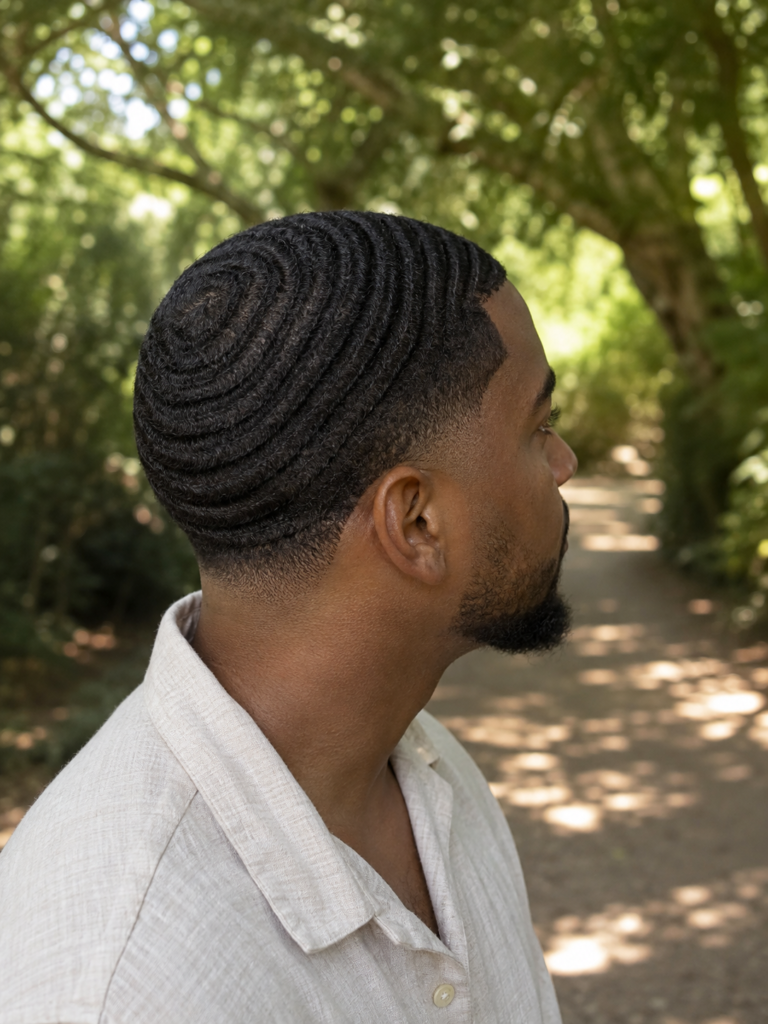
A swirl pattern curves around the crown instead of radiating straight outward. The flowing direction pairs naturally with the rounded path of a drop fade. Keep extra coverage near the crown so the spiral remains visible. Tell your barber which direction the swirl follows before trimming. Use controlled, slightly curved brush strokes during daily sessions. This version offers movement from every angle while keeping the sides crisp.
Drop Fade with Waves and Beard Blend
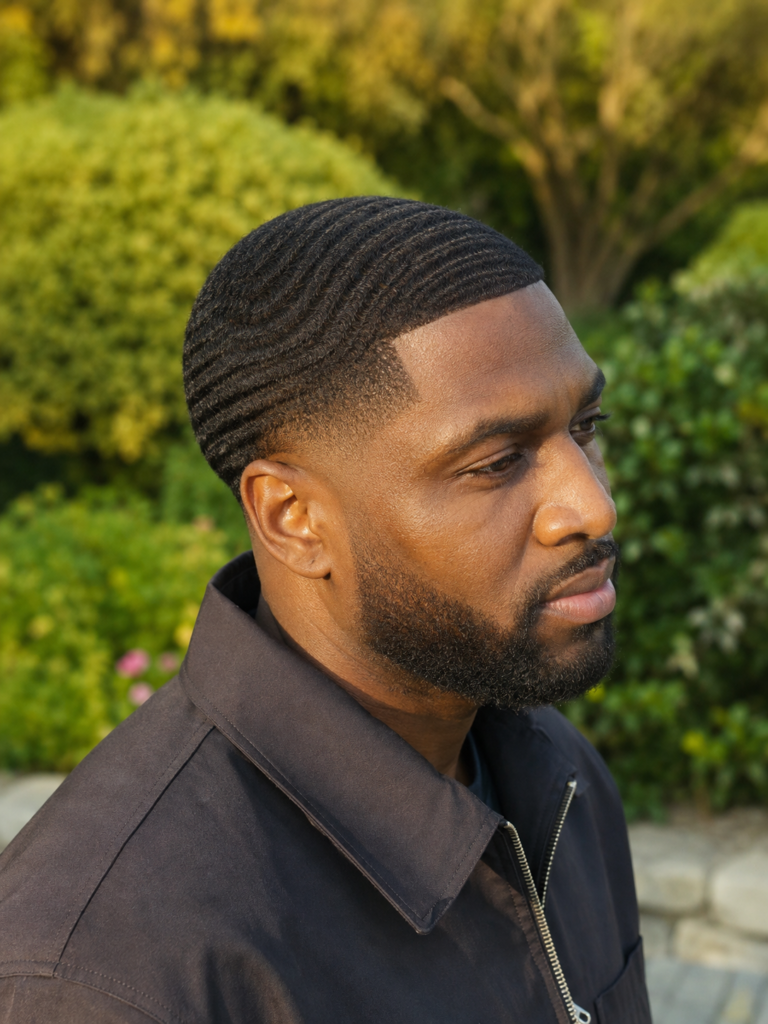
Connect the haircut and facial hair through a gradual temple blend. The drop fade curves downward, while the beard transition keeps everything balanced. Ask for a natural front line and a smooth sideburn connection. Short, defined waves provide texture without competing with the beard. Maintain both areas with light moisture and regular brushing. This combination works especially well when you want one continuous, carefully groomed finish.