Here is the detail many first-time loc wearers miss: the starting method shapes your look before length arrives. Short starter locs can appear neat, full, freeform, sharply parted, or softly irregular. Everything depends on the foundation you choose. The best option is not simply the prettiest first-day picture. It should match your texture, maintenance routine, and preferred mature loc size. These ideas include established starter methods, useful parting systems, and gentle styling options. Keep the early stage simple, since frequent retwisting and tight styling can create unnecessary tension.
Short Comb-Coil Starter Locs

Comb coils give very short hair a clean, defined beginning. A loctician forms each section into a tight spiral using a comb. Choose small or medium sections based on your future loc size. A light water-based gel can help the coils stay neat. Keep early styling minimal, since frequent handling encourages unraveling. This method works especially well when you want visible parts and uniform placement.
Short Two-Strand Twist Starter Locs
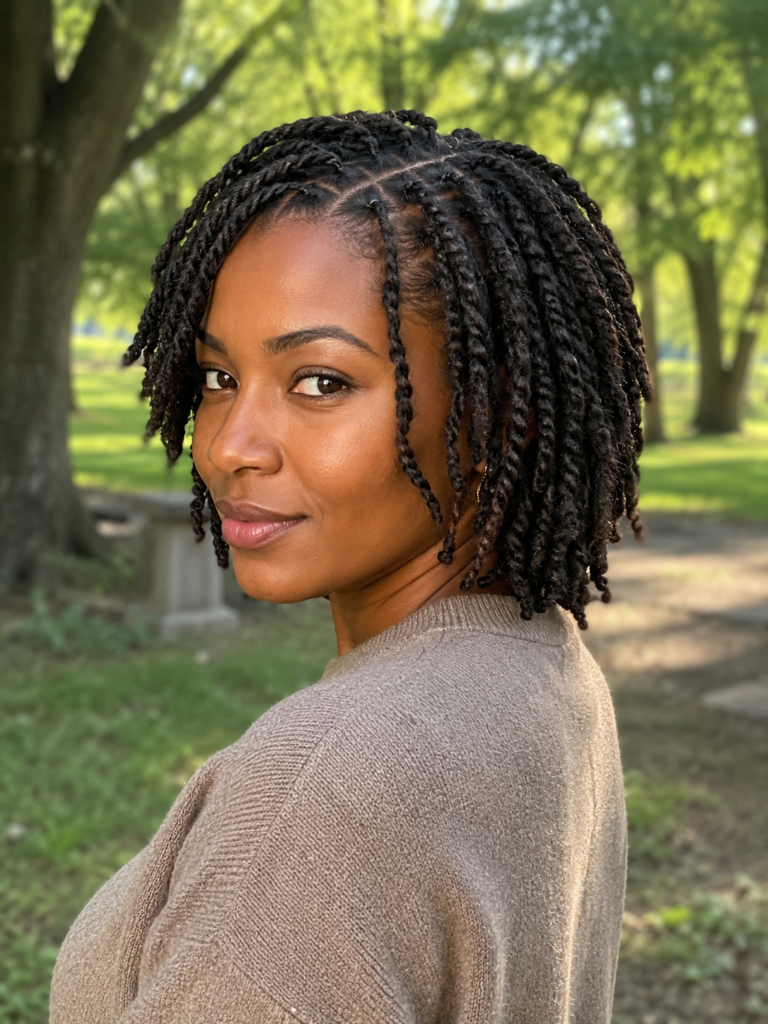
Two-strand twists create a fuller look from the first appointment. Each section is divided, twisted, and left to mature naturally. The twist pattern stays visible during the early stages, adding texture. Choose this option when your hair can hold twists securely. Use a light mist for moisture, then leave the roots undisturbed. Gentle separation prevents neighboring locs from joining as they grow.
Short Braided Starter Locs

Braided starter locs offer extra hold when unraveling worries you. Small plaits create a stable foundation that handles movement well. The braid pattern can remain visible longer than coil patterns. That makes patience especially important during the early stages. Keep products light to prevent residue inside the forming locs. This method suits anyone preferring a tidy shape with less early loosening.
Short Interlocked Starter Locs
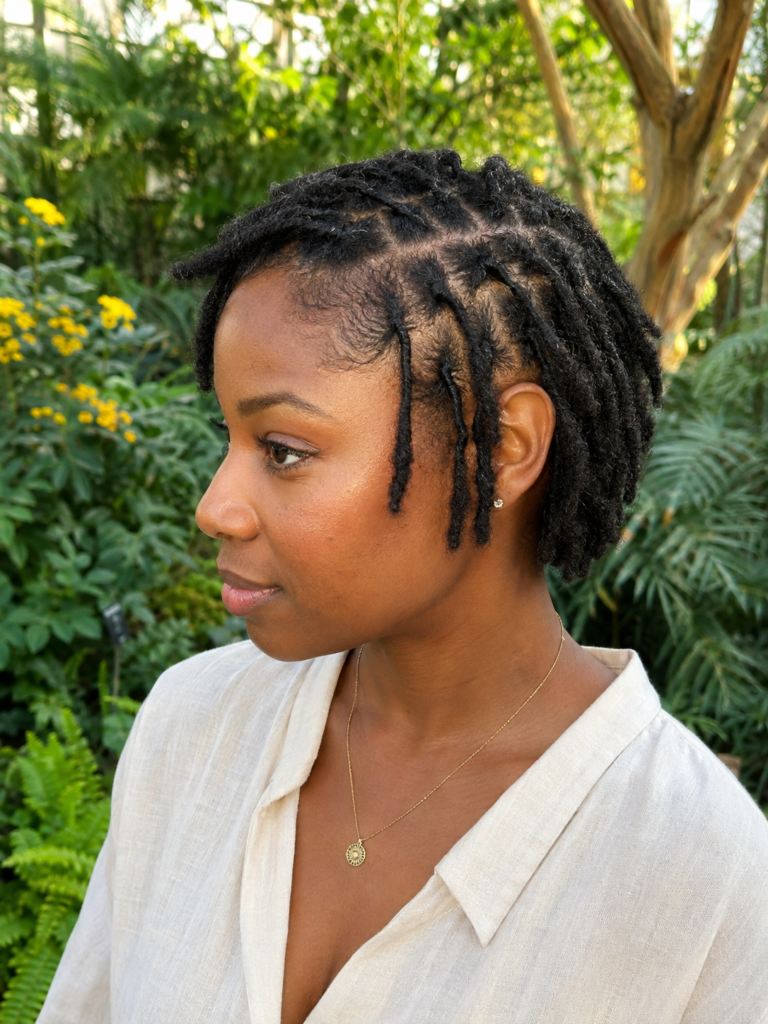
Interlocking secures each section by passing hair through its root. The result stays compact when short hair needs stronger anchoring. It can support people who wash frequently or experience easy unraveling. Ask an experienced loctician to maintain the rotation pattern carefully. Over-tightening can create unnecessary tension. Pair this method with simple styling and generous time between maintenance appointments.
Short Instant Starter Locs

Instant locs create a formed appearance without waiting for gradual matting. A crochet technique tangles each section from roots toward the ends. Short lengths gain a firm, textured shape immediately. The finish can appear more mature than traditional starter methods. Professional installation matters because aggressive crocheting may weaken sections. Keep the style loose afterward, and follow a gentle cleansing routine.
Sponge Starter Locs
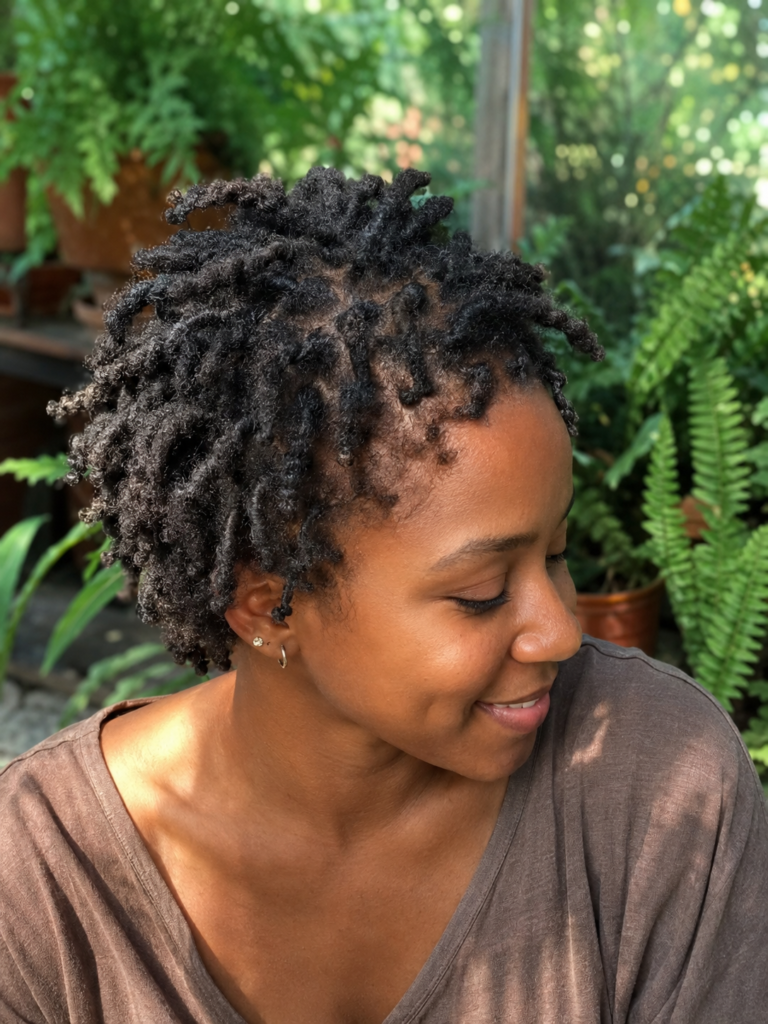
A curl sponge creates small, free-moving sections across very short hair. Circular motions encourage the texture to gather into budding loc shapes. This option provides a natural pattern without crisp part lines. Use the sponge consistently in one direction during early sessions. Avoid rubbing too hard or repeating the process constantly. The finished look feels relaxed, textured, and intentionally less uniform.
Short Freeform Starter Locs
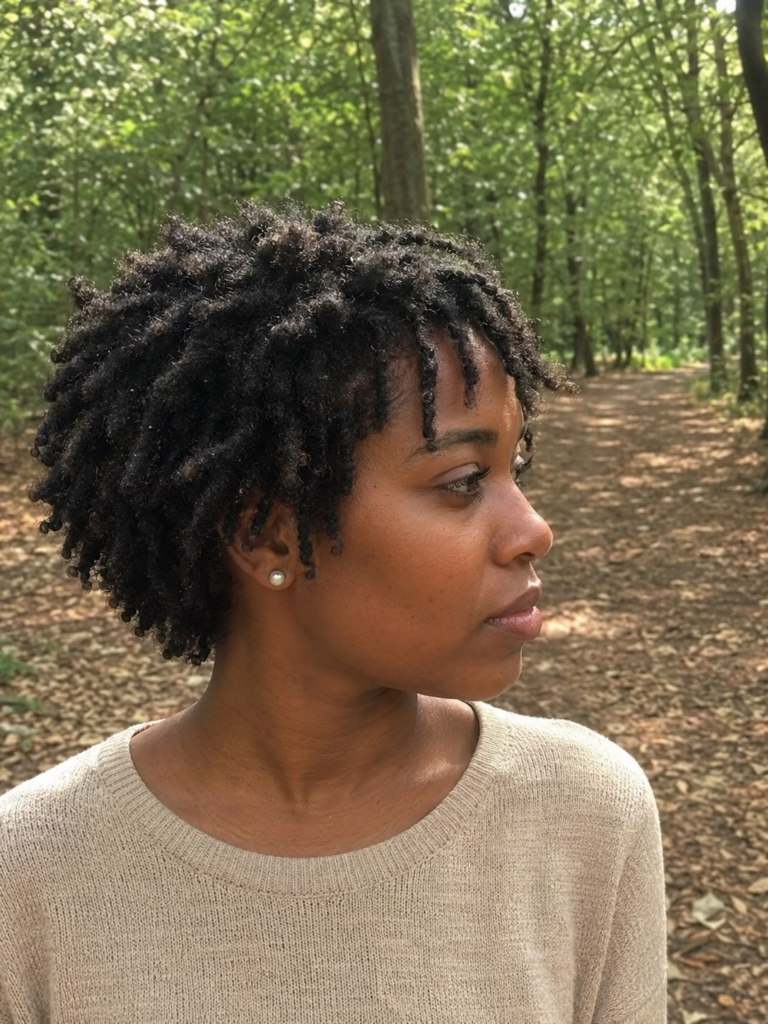
Freeform starter locs develop with little structured parting or retwisting. Your natural texture determines how sections gather and connect over time. This route creates an individual pattern that cannot be duplicated exactly. Cleanse carefully, separate only where desired, and avoid heavy buildup. The short length keeps the early silhouette light and expressive. Choose freeform locs when organic variation matters more than perfect symmetry.
Short Semi-Freeform Starter Locs
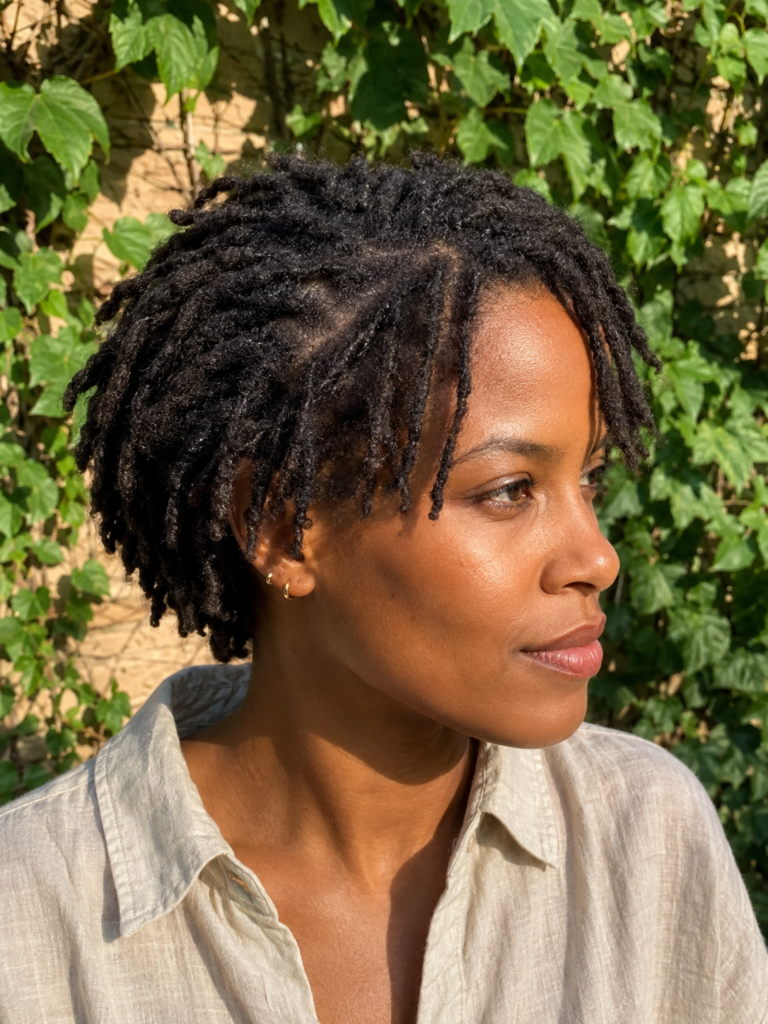
Semi-freeform locs balance natural development with occasional root separation. You keep the relaxed texture while guiding sections from merging. A gentle palm roll may shape selected areas when needed. This approach offers more control than complete freeforming without constant retwists. Short starter locs gain fullness as the roots expand naturally. Keep maintenance flexible, and adjust the routine around your preferred finish.
Short Micro Starter Locs

Micro starter locs use many tiny sections for a lightweight finish. They create movement before the locs gain noticeable length. Precise parting requires patience and a skilled installation process. Interlocking, twists, or small braids can establish the foundation. Keep accessories minimal because delicate new locs need gentle handling. This option suits anyone wanting greater styling flexibility as the locs mature.
Thick Short Starter Locs
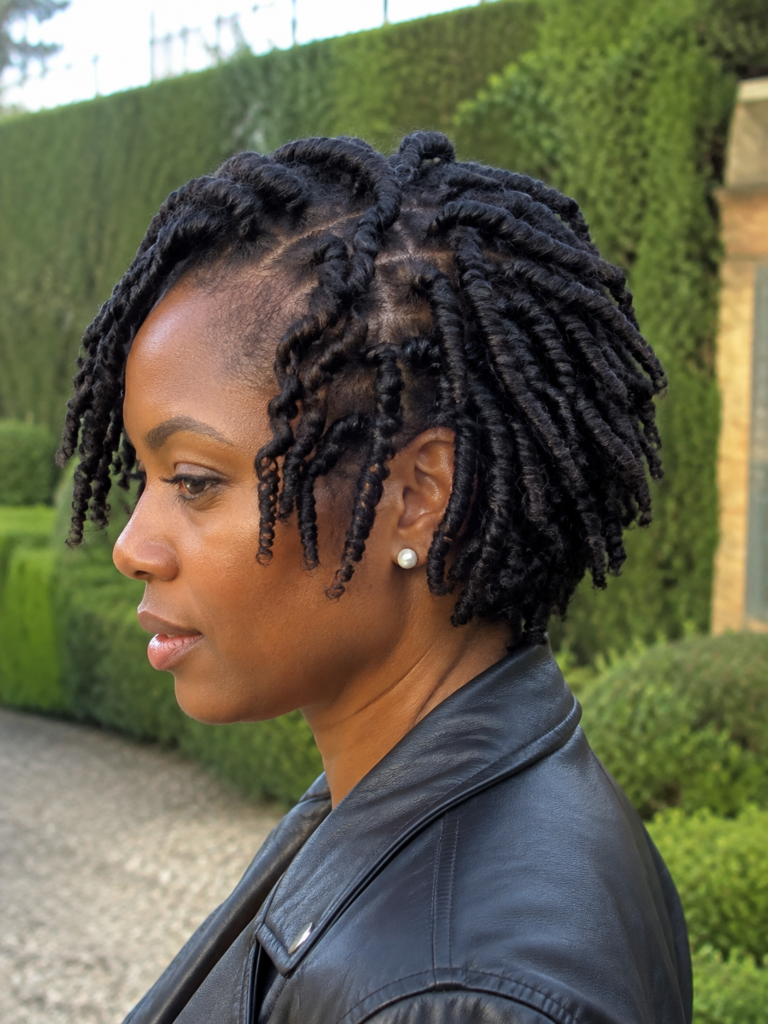
Thick starter locs make short hair look bold and substantial. Larger sections create fewer locs with a strong, textured presence. Two-strand twists often provide enough structure for this size. Confirm the section pattern before installation, since mature thickness follows the foundation. Keep the roots loose between appointments and avoid tight accessories. The simple shape lets each developing loc remain clearly visible.
Organic-Part Short Starter Locs
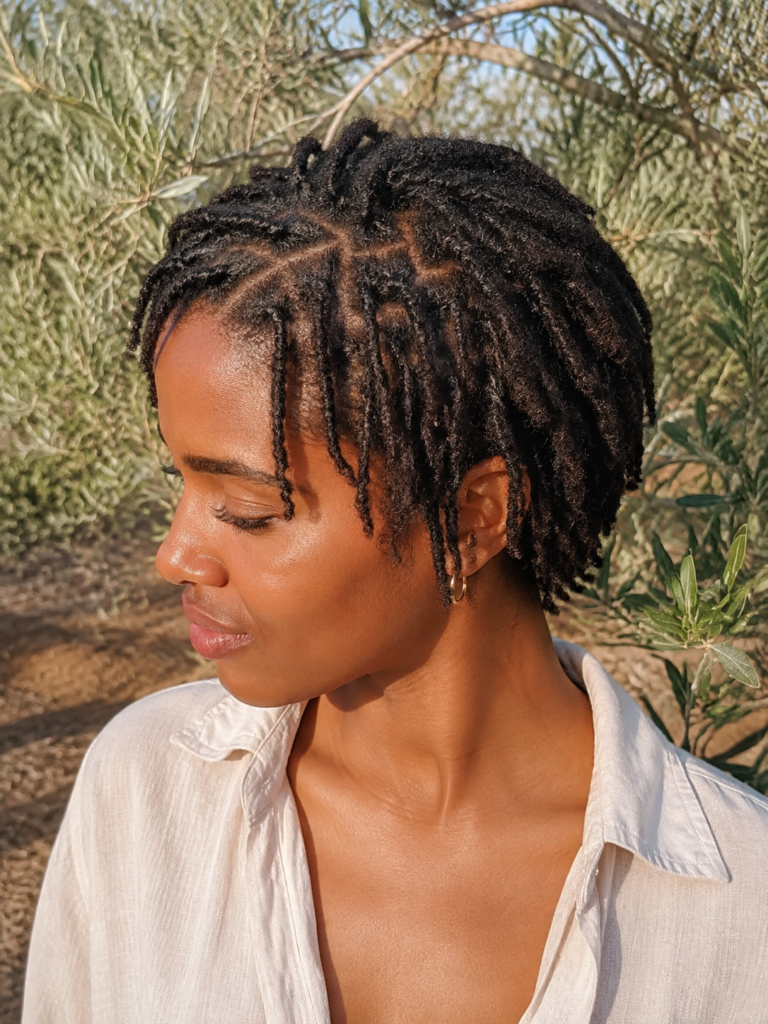
Organic parts avoid fixed grids and create naturally irregular sections. The pattern feels softer and less structured than straight rows. Short coils or twists can fall freely without obvious lines. Ask for balanced section sizes, even when shapes remain irregular. This approach works well for relaxed styling and flexible placement. Keep the locs loose early, letting the natural pattern remain visible.
Square-Part Short Starter Locs
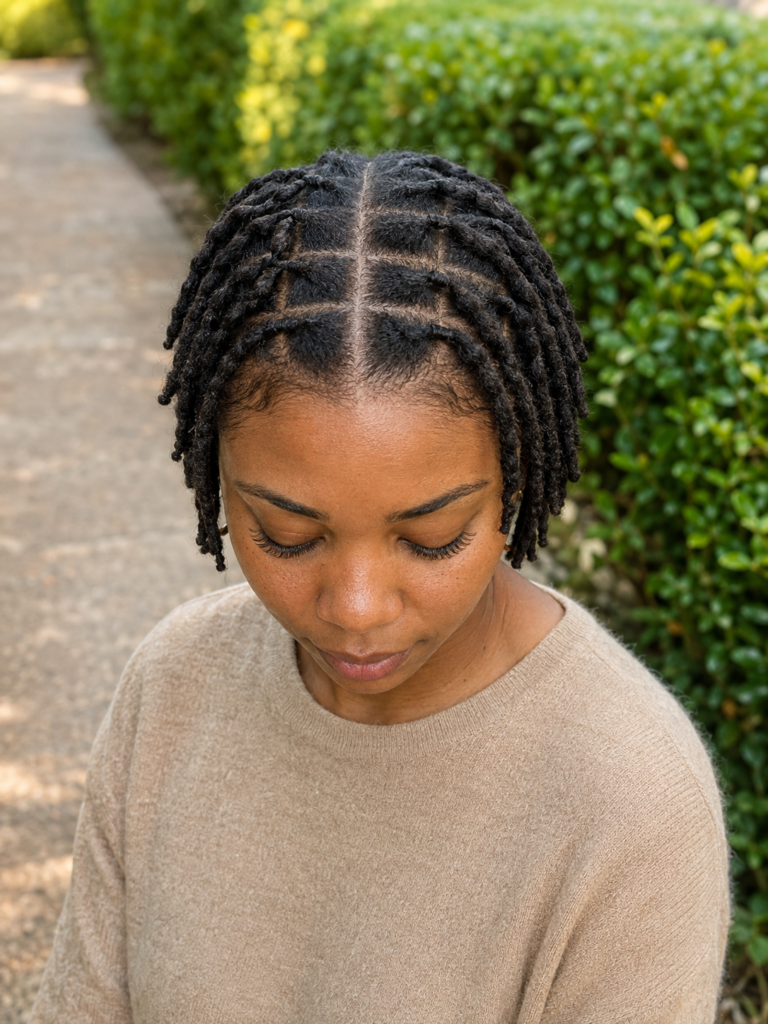
Square parts create clean rows and an organized grid pattern. They make future sectioning easier for twists or simple updos. On short starter locs, visible lines become part of the style. Choose section sizes carefully, because they influence the final loc count. A centered or side part can be built into the grid. Maintain neatness gently, rather than chasing perfect roots every week.
Diamond-Part Short Starter Locs
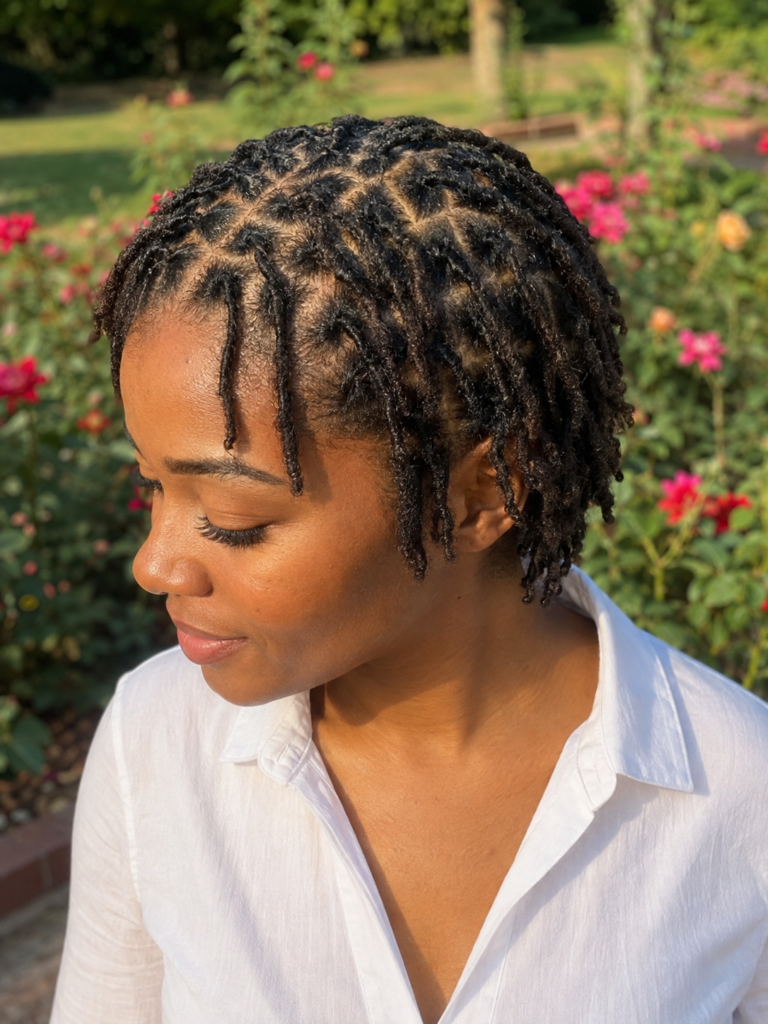
Diamond parts soften the grid while creating attractive angled sections. The pattern helps locs fall between neighboring part lines. That placement can make short starter locs appear evenly distributed. Ask your loctician to map the design before twisting or coiling. Wear the locs loose so the geometry remains visible. Light scalp care and low manipulation keep the detailed pattern looking fresh.
Crescent-Part Short Starter Locs
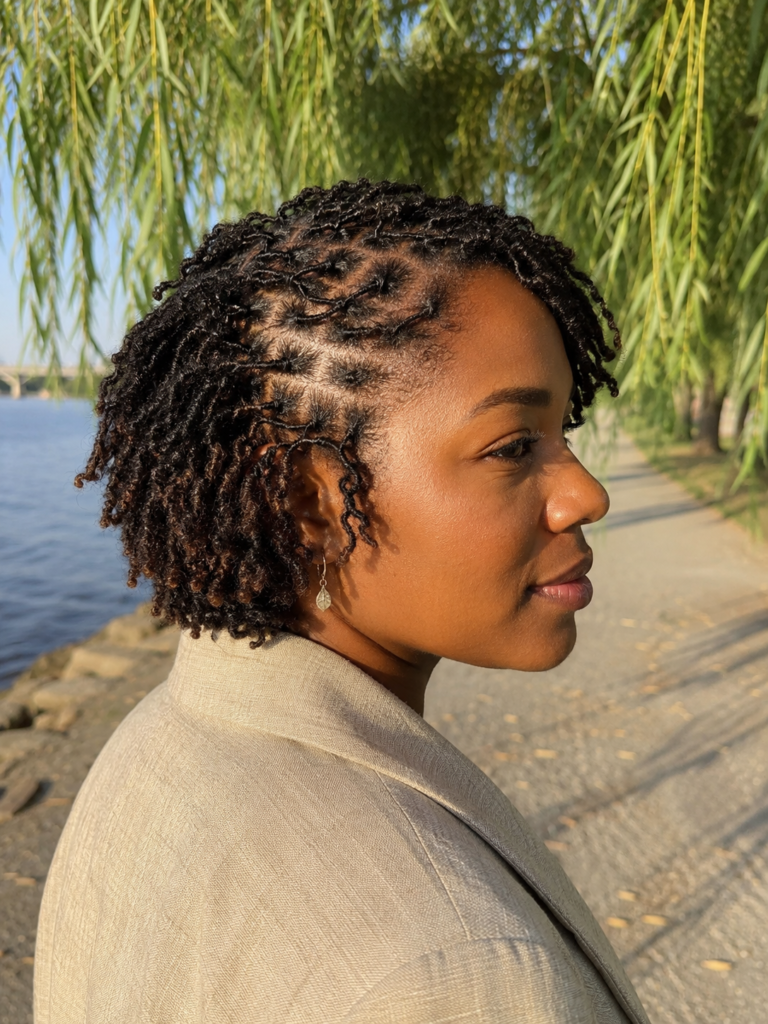
Crescent parts follow curved lines instead of rigid boxes. Rounded sections encourage locs to settle in naturally overlapping directions. This creates a softer finish across short hair. Comb coils highlight the curves especially well after installation. Choose a natural side part for additional movement near the front. Avoid repeated tight styling, since the parting pattern already provides visual interest.
Side-Parted Tapered Starter Locs
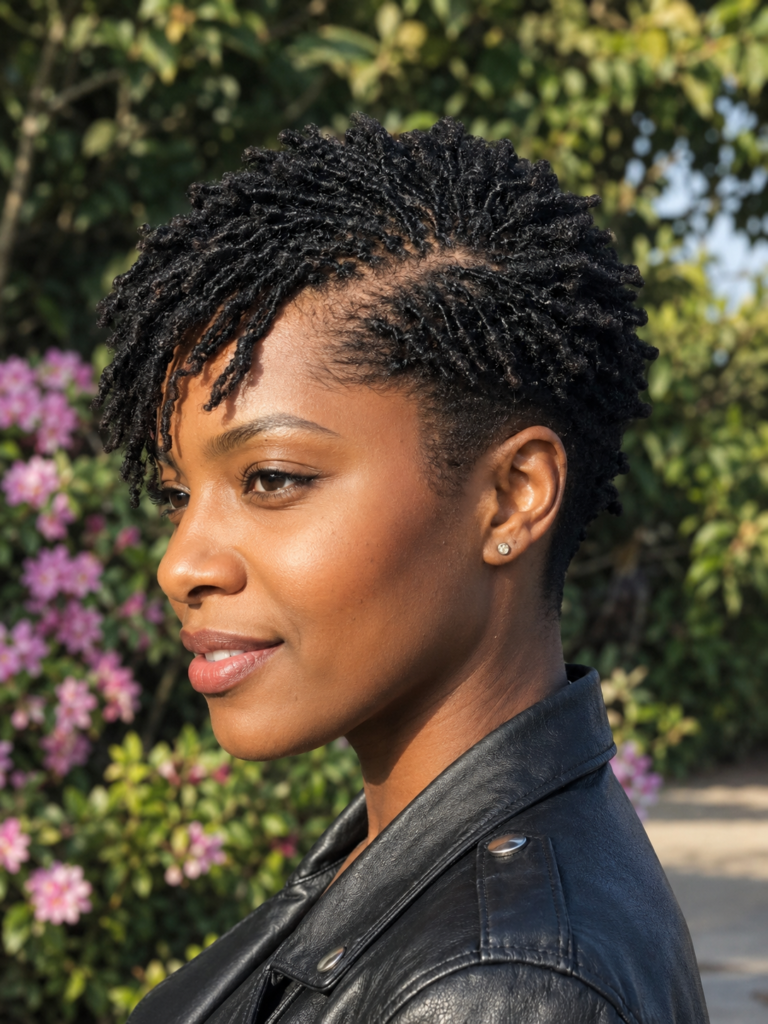
A tapered shape keeps the sides and back closely trimmed. Short starter locs fill the top with concentrated texture. Add a deep side part for direction and easy daily styling. Coils, twists, or sponge locs can create the upper section. Regular trimming preserves the contrast without disturbing the loc foundation. This choice feels modern and practical, especially when you prefer a compact silhouette.