The easiest way to ruin a shag is requesting layers without explaining where you want volume. Modern texture comes from deliberate placement, not random thinning. Current U.S. haircut coverage favors softer face framing, lived-in finishes, and wolf-inspired shapes that complement natural texture. The thirteen variations below keep the shag recognizable while changing length, fringe, weight, and finish. Bring reference photos that match your texture, then discuss how much crown lift and perimeter fullness you want preserved.
Modern Shag

The modern shag keeps recognizable crown layers but softens every edge. Ask for blended face-framing pieces and movement through the mid-lengths. A lightweight mousse supports texture without making the finish stiff. Blow-dry with your fingers, then bend selected ends loosely. This version feels current because it looks intentional, not overly messy. It also grows out gracefully between regular shaping appointments.
Soft Shag
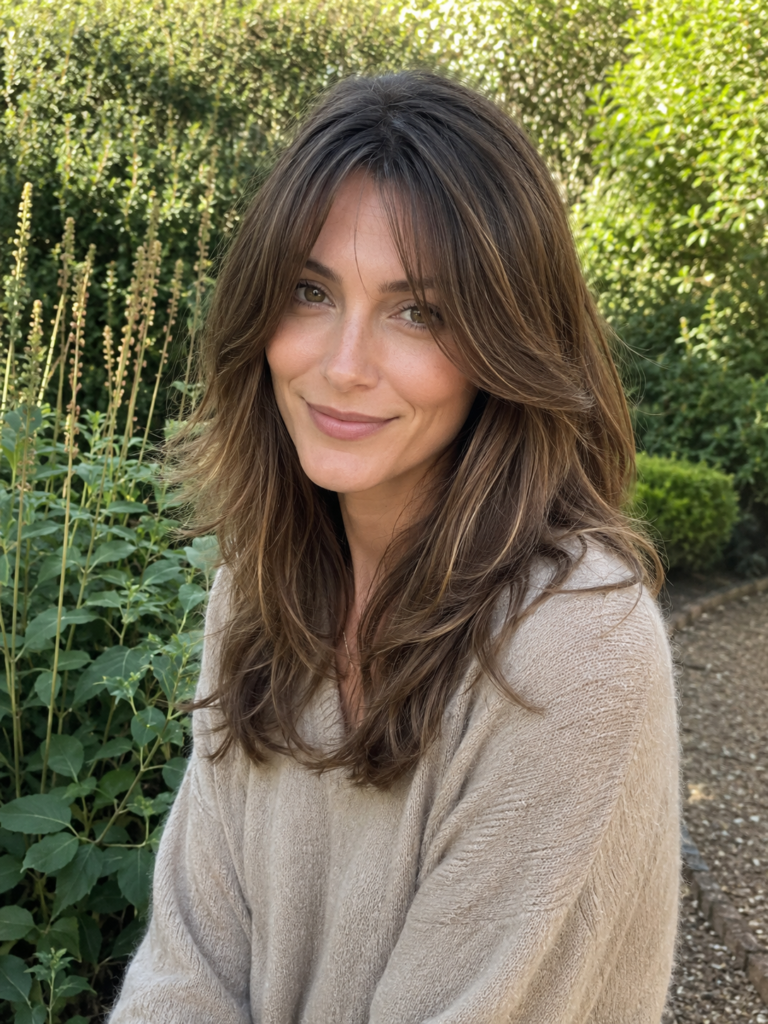
Choose a soft shag when you want movement without dramatic separation. Longer layers begin below the crown and blend into feathered ends. Curtain bangs can connect the front pieces without creating heavy fringe. Work a light styling cream through damp hair, then air-dry. The finished texture stays touchable and relaxed. It suits anyone easing into a shag for the first time.
Shaggy Bob
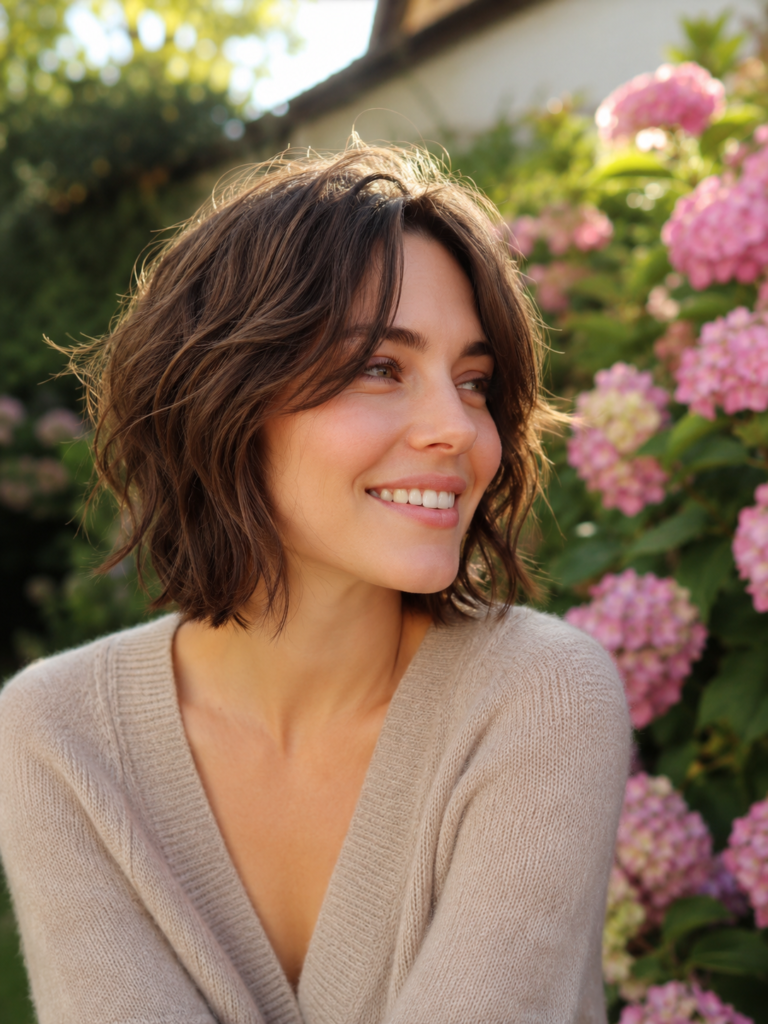
Chin-to-shoulder length gives the shaggy bob its compact, lively shape. Crown layers create lift, while textured ends prevent a blocky outline. Ask your stylist to preserve enough weight around the perimeter. Scrunch in a light foam and diffuse or air-dry. A soft side part adds extra movement near the front. Regular scheduled trims keep the short layers balanced and deliberate.
Shaggy Lob
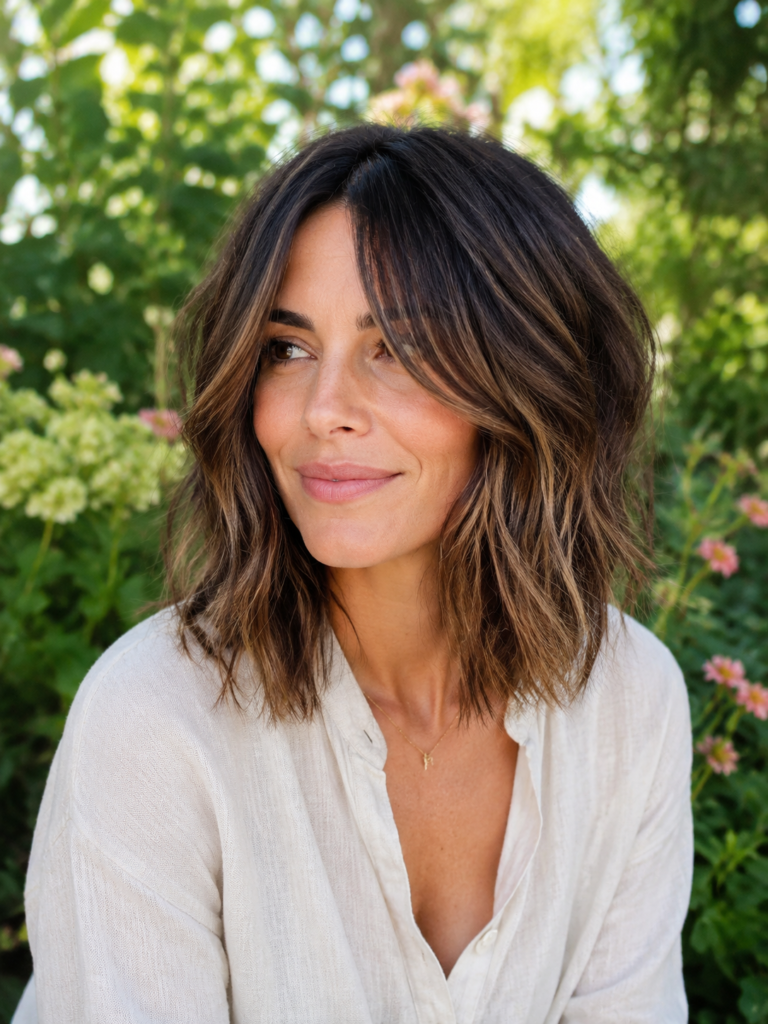
A shaggy lob offers texture while keeping useful shoulder-grazing length. The layers should feel airy through the crown and fuller near the ends. Face-framing sections can begin around the cheekbones for visible movement. Use a texture spray on dry hair, then twist several pieces. This length still works for loose ponytails and clips. It offers an easy transition from longer, one-length hair.
Pixie Shag
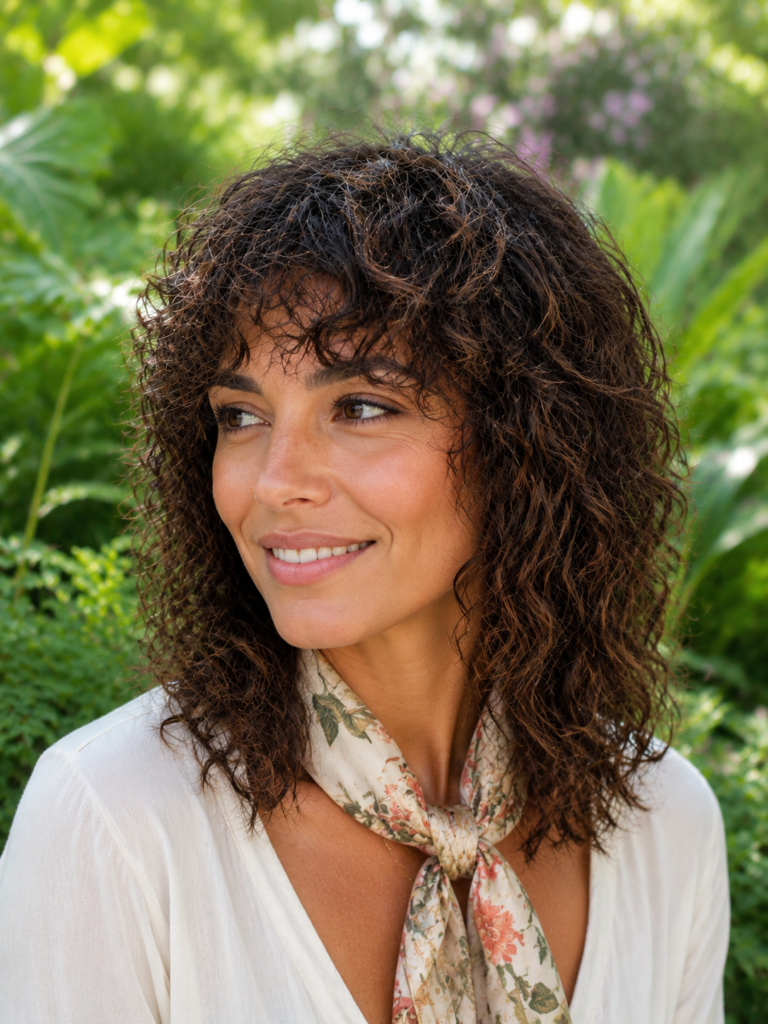
Short layers give the pixie shag a piecey, grown-out feeling. Keep extra length through the crown and fringe for styling flexibility. The back can stay softly tapered instead of tightly cropped. Rub a small amount of styling paste between your hands first. Pinch the ends lightly, directing several pieces forward. This variation works especially well for anyone wanting bold texture with minimal daily styling.
Curly Shag
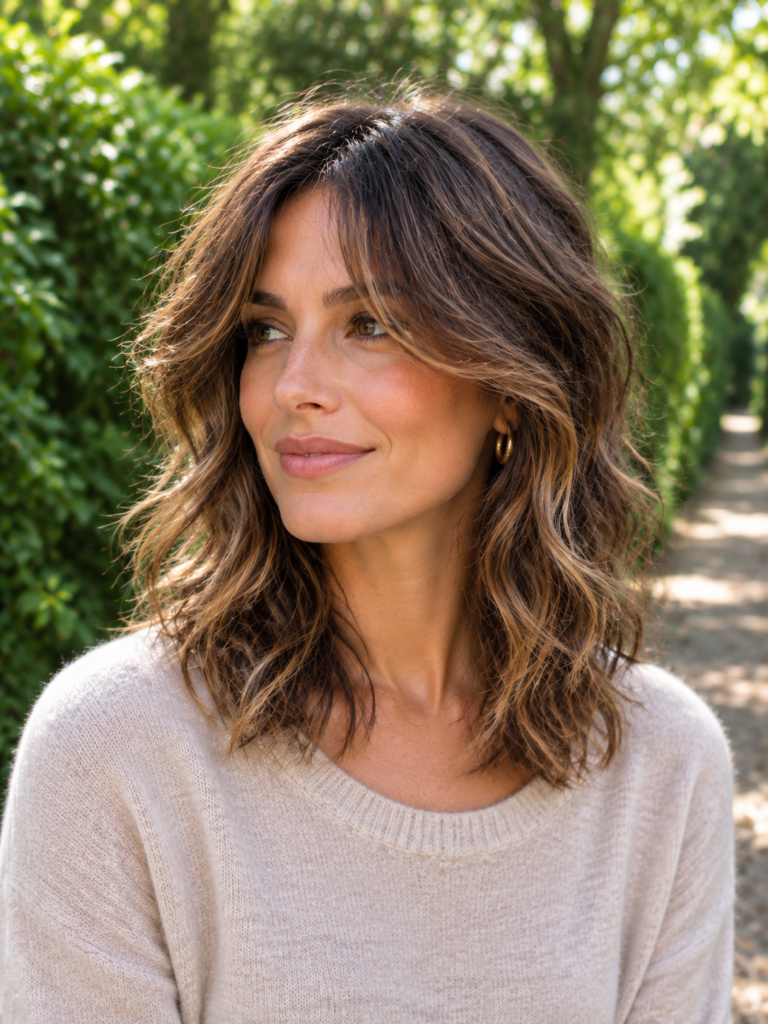
A curl-respecting shag removes excess weight while protecting natural movement. Ask for rounded layers based on how your curls fall dry. Shorter crown pieces can encourage lift without thinning the ends excessively. Apply curl cream in sections, then diffuse on low airflow. Avoid brushing once the hair dries. The resulting shape highlights curls across the entire haircut instead of concentrating volume near the bottom.
Wavy Shag

Natural waves make a shag feel effortless because layers already encourage bends. Request medium crown layers and softly razored ends, depending on hair condition. A longer curtain fringe blends easily into the front. Apply lightweight mousse, then scrunch while drying. Refresh second-day texture with water mist and gentle finger shaping. Keep the finish loose rather than forcing every wave into matching sections.
Long Shag
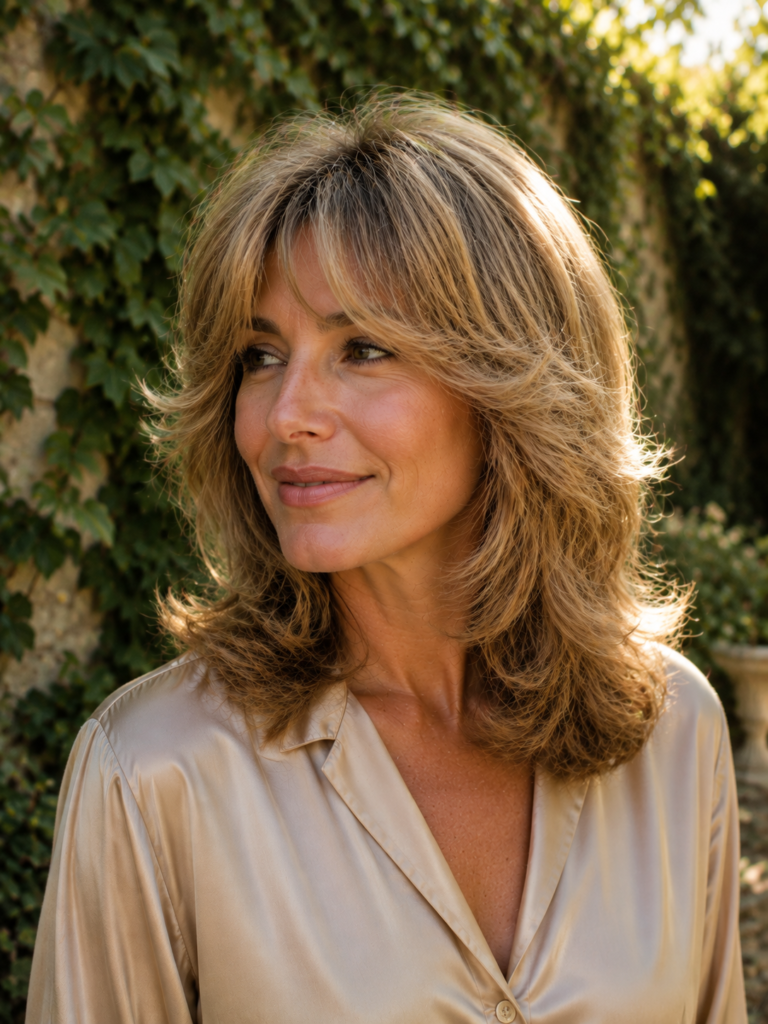
Keep your overall length while adding shorter movement around the crown. A long shag works best when the layers connect gradually through the ends. Start the front pieces near the chin or collarbone for softness. Use a round brush only around the fringe, leaving the lengths relaxed. A light oil controls dry ends. This option delivers visible texture without sacrificing ponytail or braid flexibility.
Seventies Shag
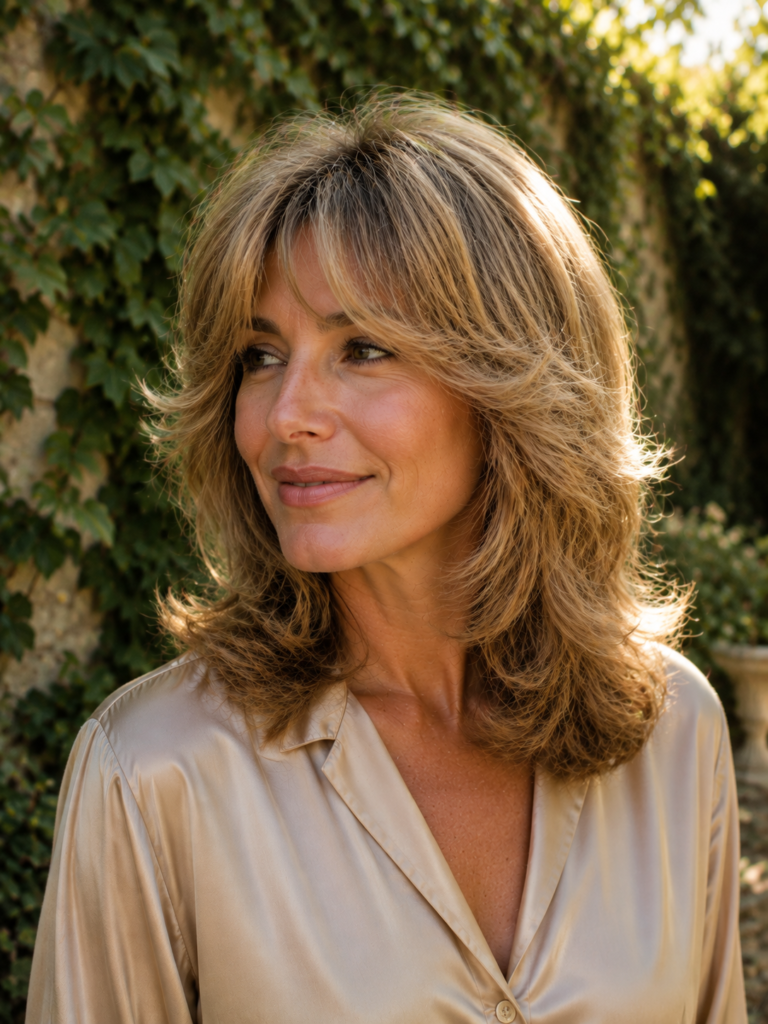
The seventies shag leans into curtain bangs, crown lift, and feathered movement. Ask for fuller fringe pieces that sweep away from the face. Layers should remain airy rather than sharply disconnected. Build volume with mousse at the roots and a round brush. Flip the front sections outward while drying. The key is combining retro fullness with healthy shine, softer ends, and a modern wearable finish.
Wolf Cut

More dramatic separation gives the wolf cut its recognizable shag-mullet influence. Crown layers stay short and full, while the lower length remains visibly longer. Choose a softer version when you prefer easier grow-out. Texture spray adds separation without flattening the shape. Let the fringe fall naturally or split it loosely. Bring reference photos showing your hair texture, since layer placement changes the final result.
Curly Wolf Cut
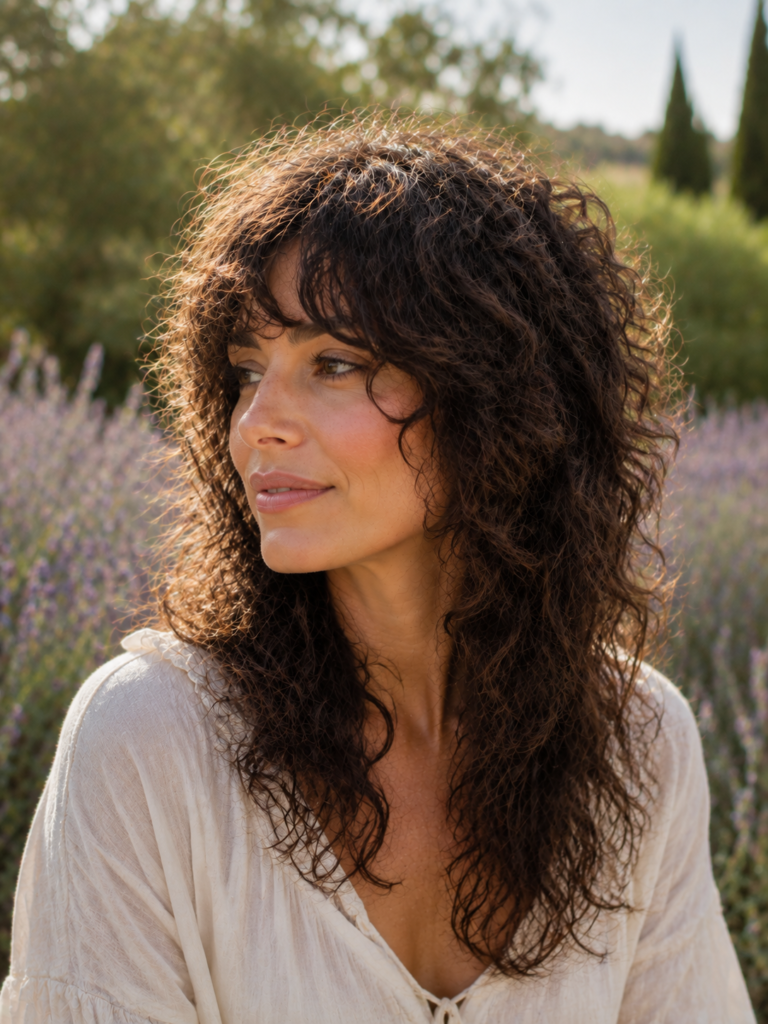
Curls soften the strong outline of a wolf cut while keeping volume. The crown remains rounded, with longer sections extending toward the back. Ask for dry cutting when your stylist uses that method confidently. Apply a light curl gel, then diffuse without disturbing the pattern. Keep the fringe length practical for shrinkage. This variation creates bold texture without requiring a smooth or controlled finish.
Shag Mullet
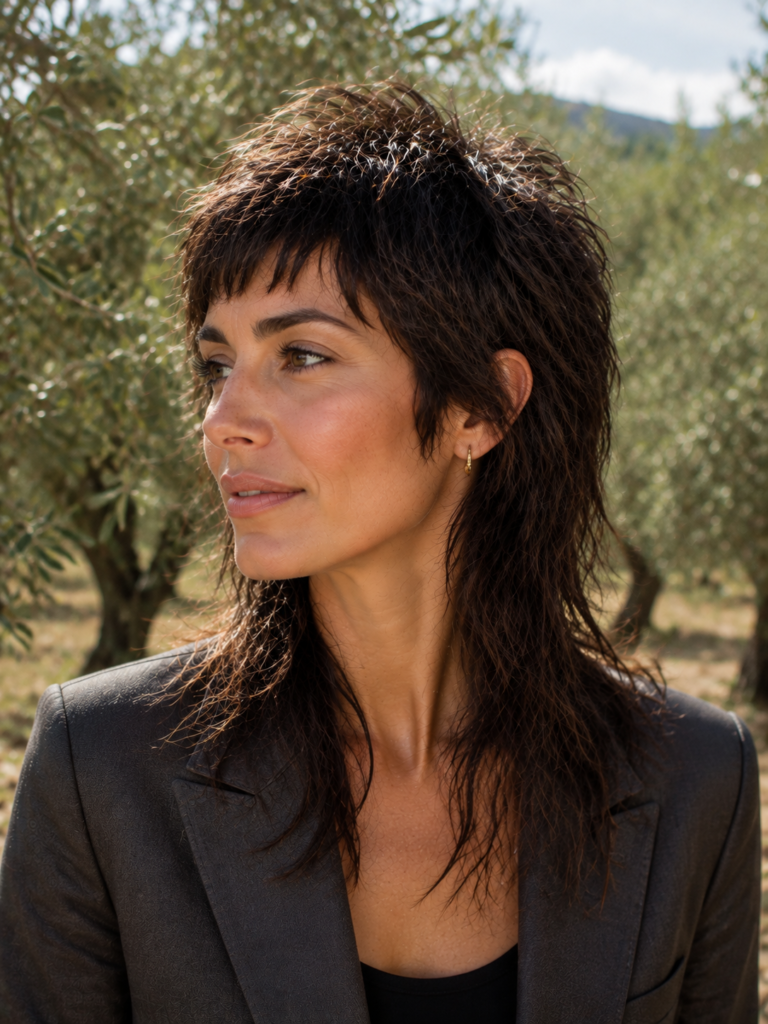
The shag mullet pushes contrast between short front layers and longer back length. Ask for blended transitions when you want a wearable everyday version. A choppy fringe supports the shape without needing precise styling. Work a light wax through dry ends for separation. Keep the crown lifted and the sides relatively close. This cut suits anyone comfortable with a stronger, intentionally directional silhouette.
Micro Shag
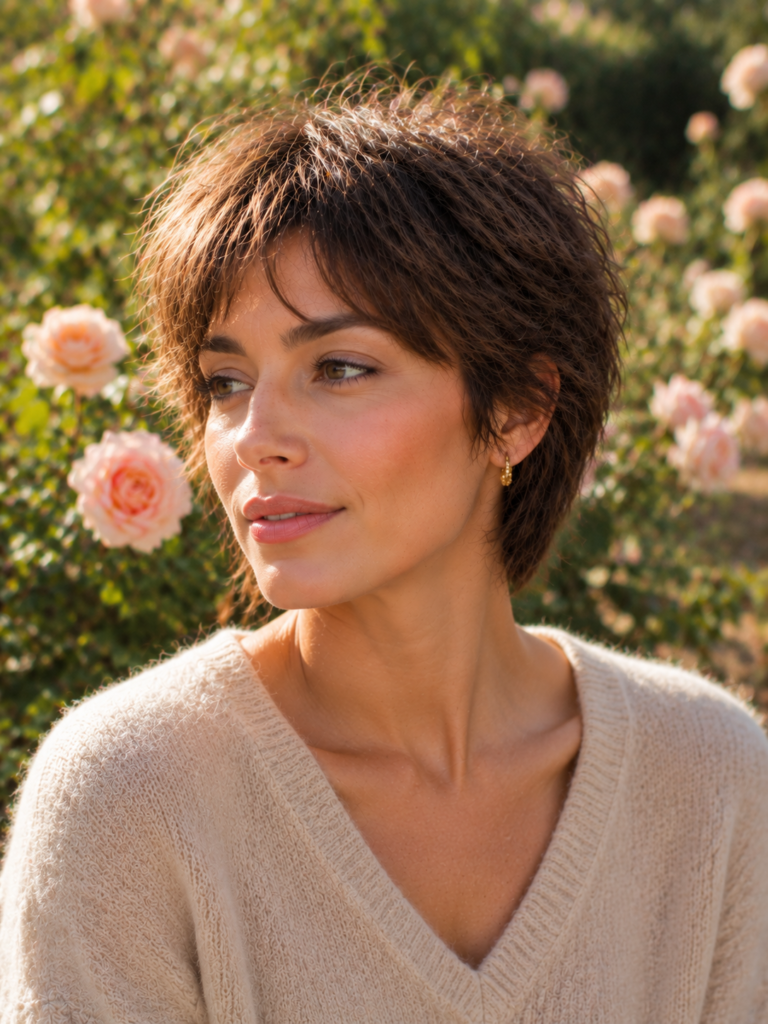
A micro shag compresses classic shag layering into a short, airy shape. The length may sit between a pixie and compact bob. Strategic crown layers build texture without removing excessive perimeter weight. Keep the fringe wispy or slightly parted for flexibility. Style with a light foam and finger-dry the layers. This emerging variation offers movement for shorter hair while avoiding a severe, tightly sculpted finish.